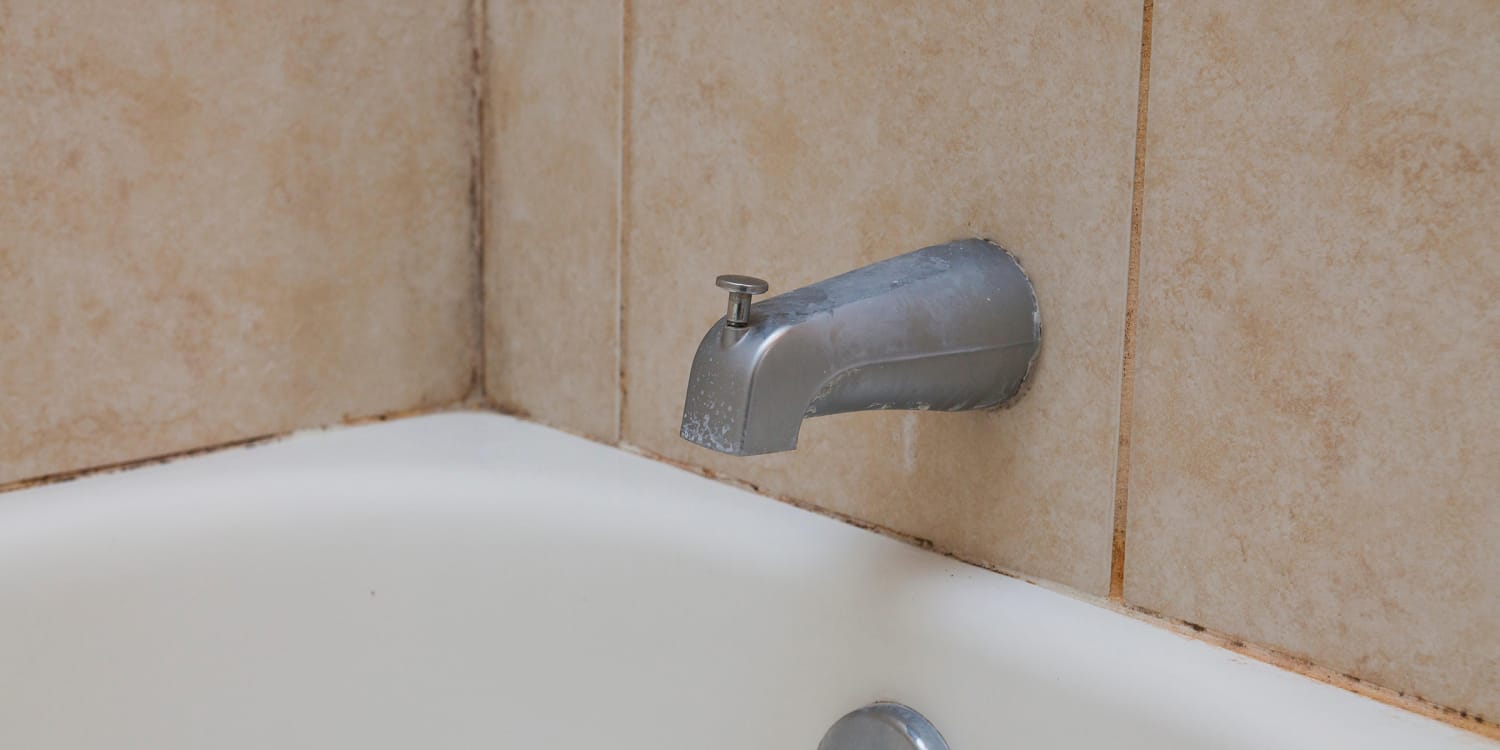
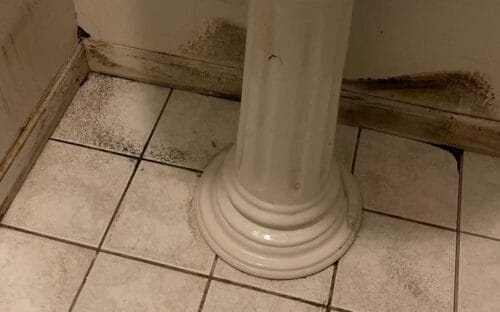
Like all molds, harmless black mold is a fungus that thrives on moisture and grows on surfaces that are damp or wet. It can be found in places like the bathroom and kitchen, where humidity is higher and the temperature tends to be warmer. There are several different forms of mold that can grow in a home, and one of the most common is black mold.
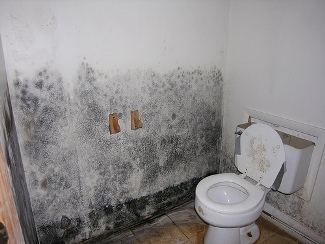
Here is how to identify black mold. Exposure to black mold can cause serious health problems, making it crucial to detect and address it promptly. This article explores the signs of black mold in homes and bathrooms, how to test for it, and the potential health risks associated with exposure.
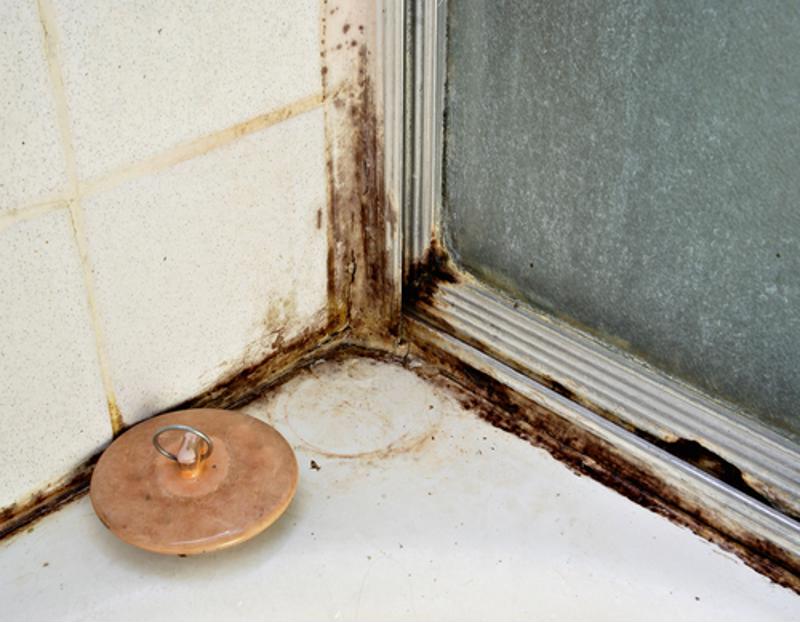
5 Signs of Mold Growth in Your Bathroom
Bathroom mold, mildew looks gross and thrives in 'dark, damp areas.' It can irritate allergies, asthma and breathing problems. How to clean and prevent it. Discover what black mold looks like and learn to identify this harmful fungus in your home.
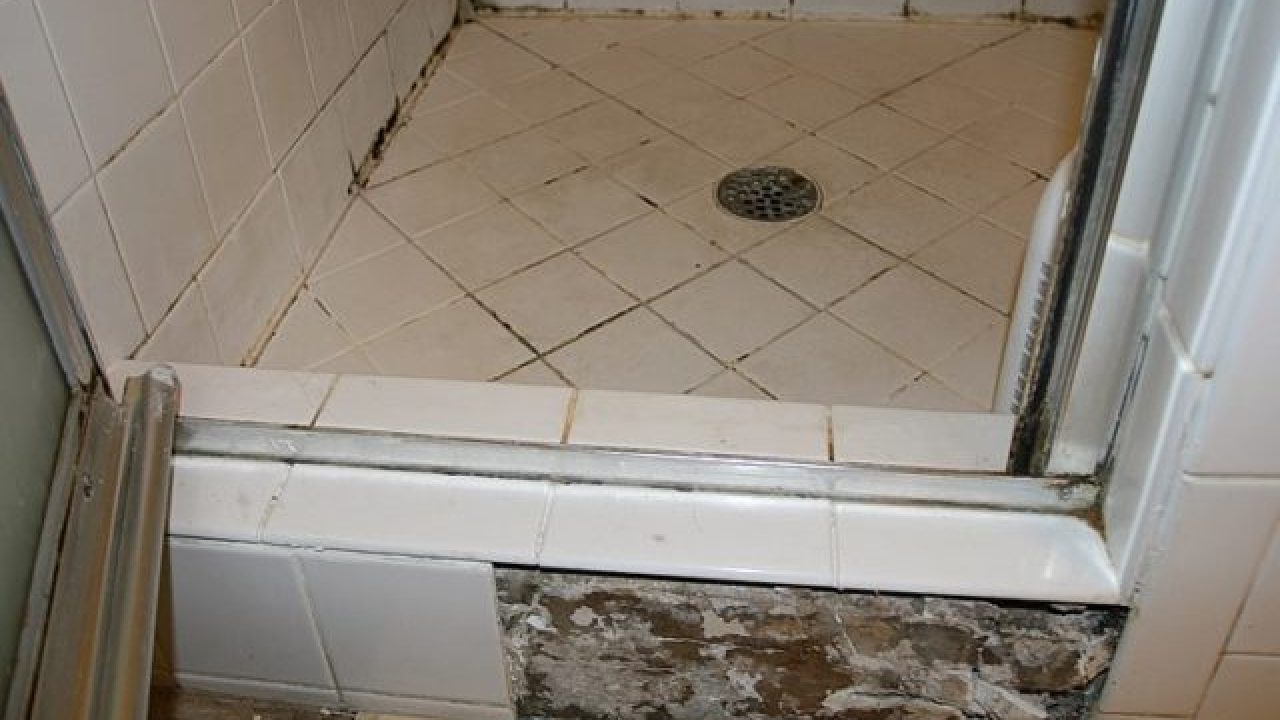
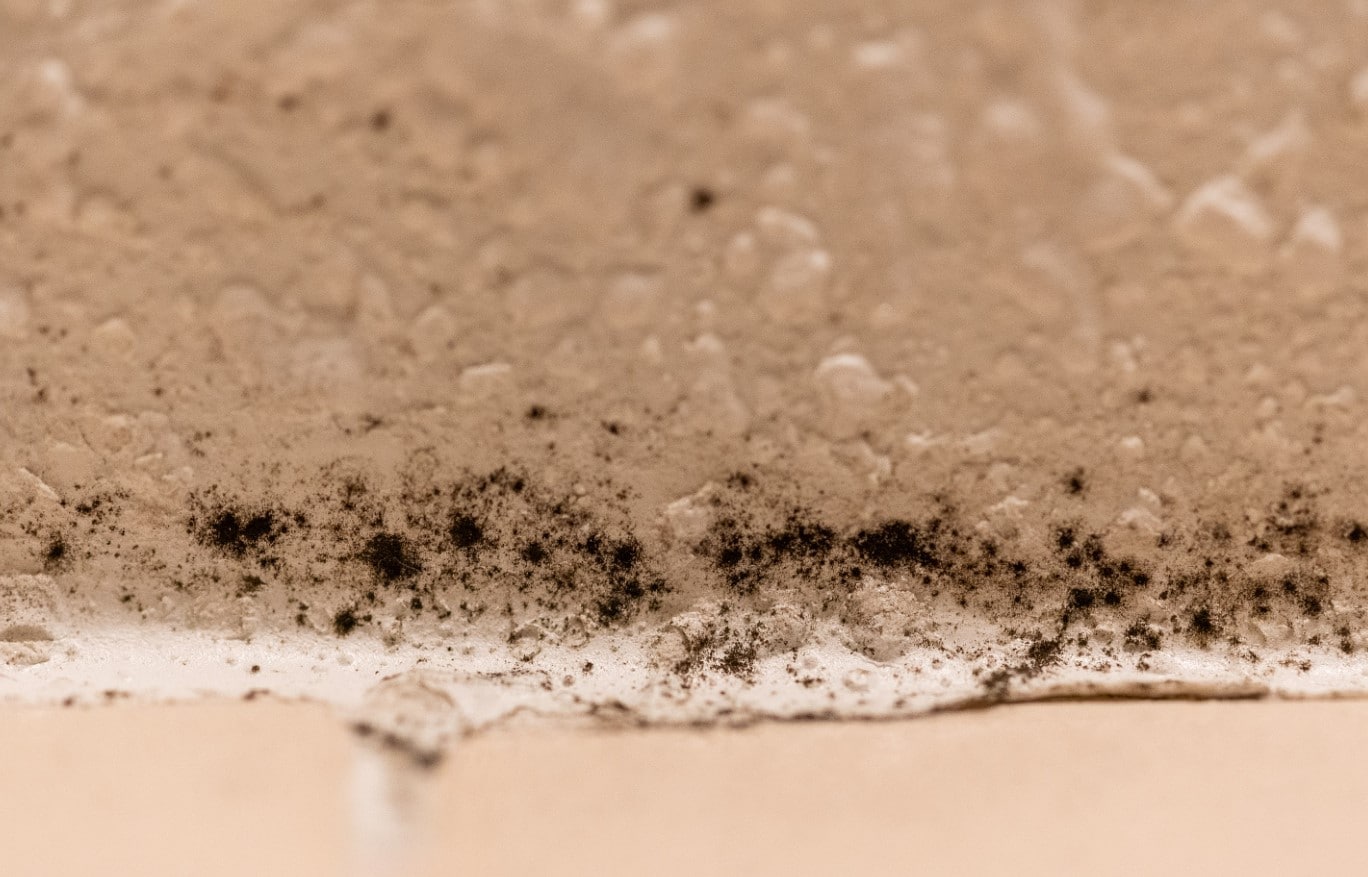
Our visual guide helps you spot and address mold issues quickly. What Does Black Mold Look and Smell Like? Despite its name, black mold can appear black, very dark green, or brown. It tends to form clustered, fuzzy, or slimy circular patches and may leave green stains when wiped.

What Does Black Mold Look Like In Bathroom – Artcomcrea
One of the easiest ways to detect it is by smell-black mold emits a strong, musty odor often compared to rotting plants, damp paper, or cedar wood. Learn how to identify and eliminate common bathroom molds like black mold, pink mold, and more, ensuring a safe, mold. Learn how to identify toxic black mold, its health risks, and safe removal methods.
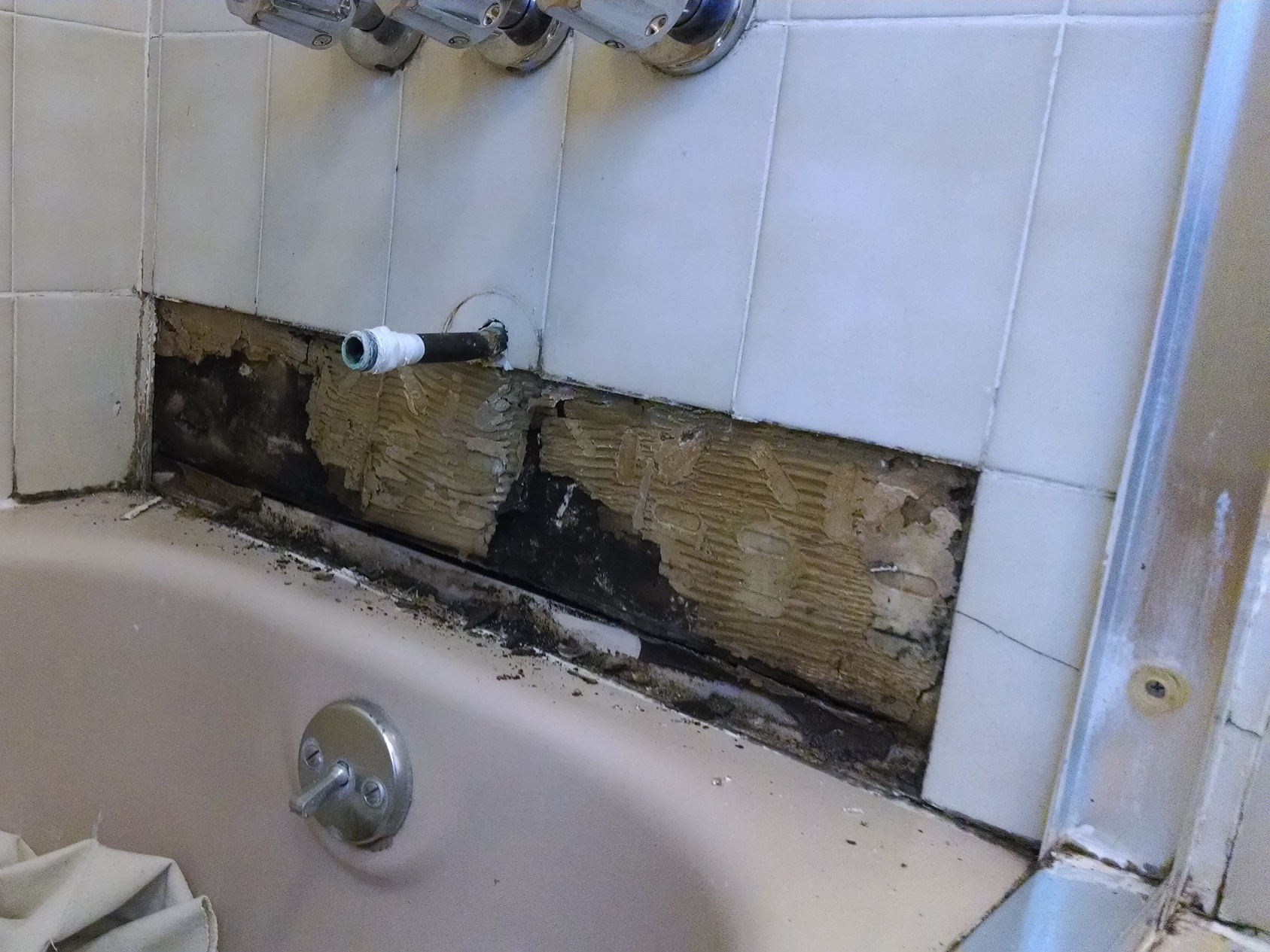
Protect your home & family from mold exposure with prevention tips. Bathroom mold appears as dark, often black or brown, splotches or patches on surfaces with high moisture, such as shower curtains, tiles, or caulk. It can also manifest as a slimy or fuzzy layer, particularly in areas with poor ventilation.
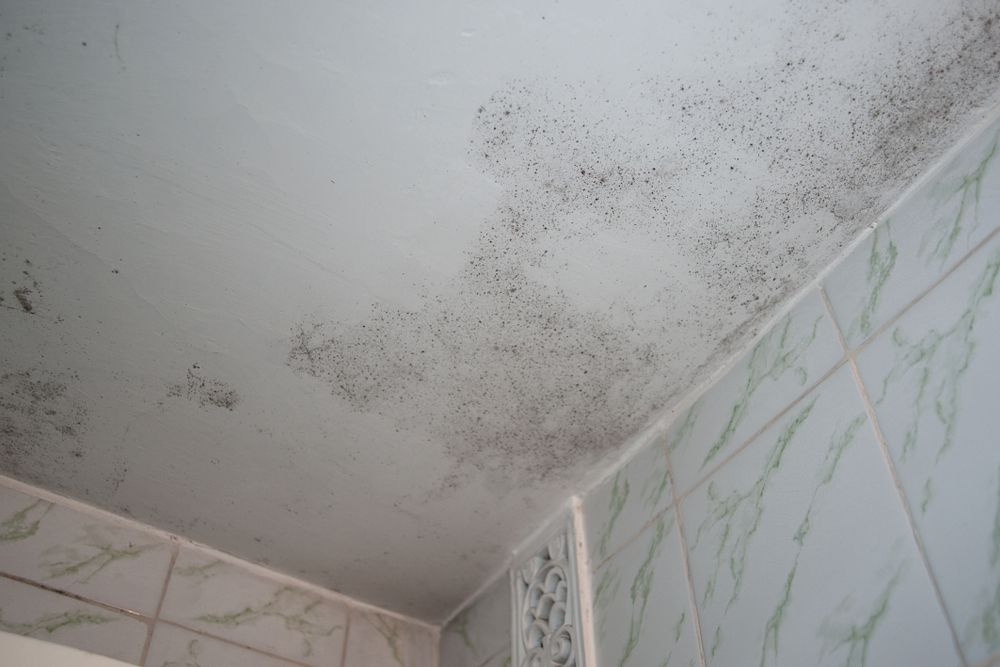
Black Mold on Your Bathroom Ceiling? Read This First
Black mold, also known as Stachybotrys chartarum, is a greenish-black fungus that grows on water-damaged materials like drywall, wood, and insulation. It may produce mycotoxins, which can affect indoor air quality and trigger symptoms like coughing, sneezing, fatigue, or headaches.