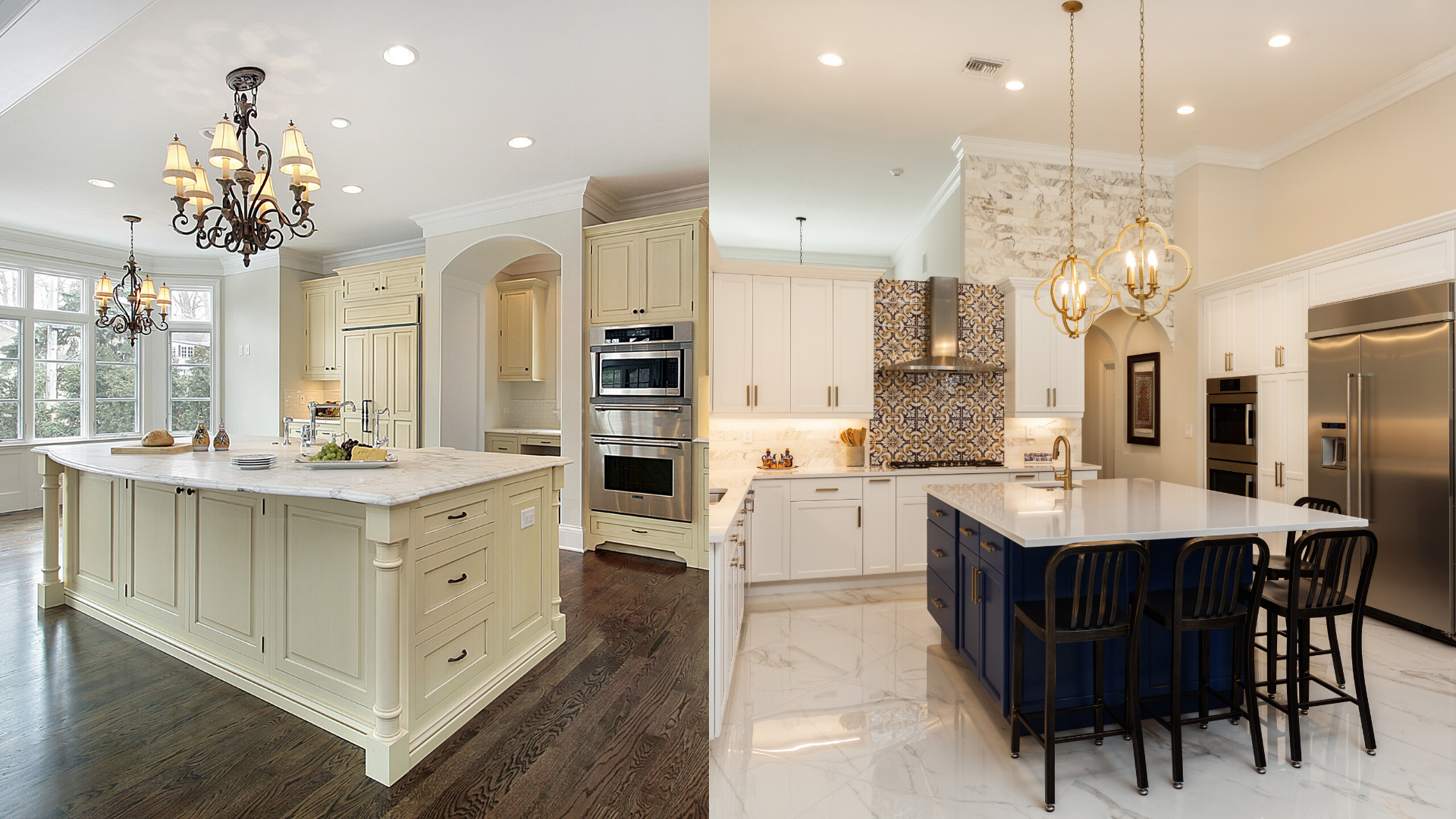
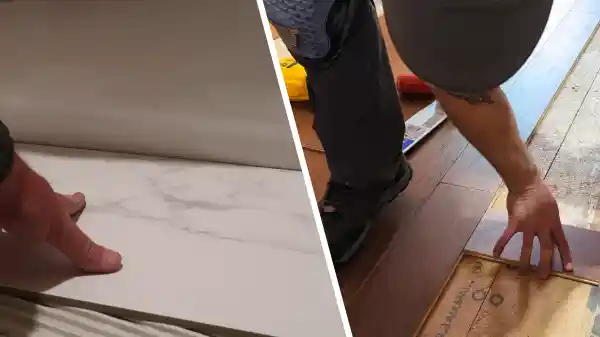
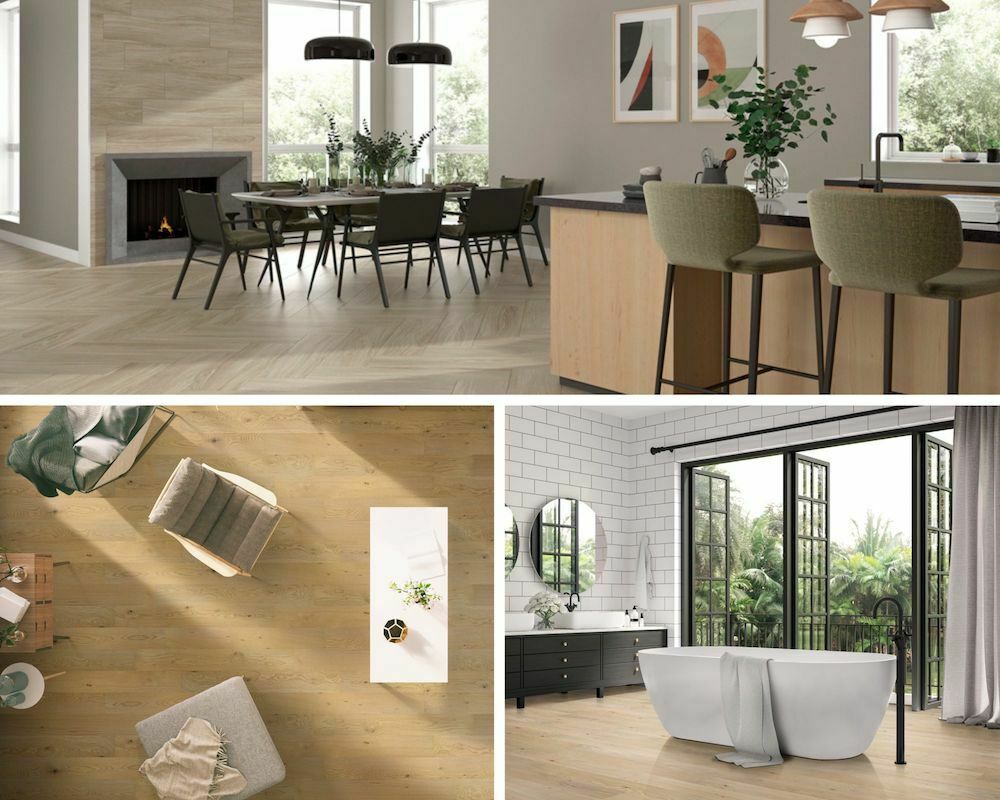
Porcelain tiles are crafted using specific clay, sand, and feldspar kiln-fired at high temperatures to create a durable and less porous surface. On the other hand, engineered hardwood comprises layers of hardwood veneer glued together, with a real wood top layer and layers of plywood or high-density fiberboard (HDF) underneath. In contrast, engineered hardwood is made of layers of wood glued together in a cross-grain construction.
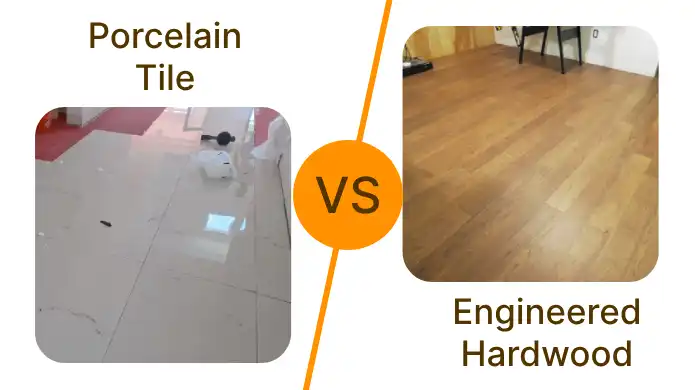
This type of flooring offers traditional hardwood beauty and warmth but also adds durability due to its construction. We'll explore all the differences between porcelain tile and engineered hardwood so you know what to choose for your home. A 2025 comparison of Engineered Hardwood vs Tile flooring.
![Porcelain Tile vs Engineered Hardwood: 6 Differences [ Revealed]](https://everyinside.com/wp-content/uploads/2023/06/Porcelain-Tile-vs-Engineered-Hardwood.webp)
Tile vs Engineered Hardwood Flooring
Pros & cons of both flooring options with a look at durability, cleaning, maintenance & more. Both Engineered Hardwood and Porcelain Tile come with warranties, but they differ in length and coverage. Engineered Hardwood often has a limited 20- to 30-year warranty, while Porcelain Tile may offer a lifetime warranty.

Porcelain's longer lifespan and low maintenance requirements make it an appealing choice for those seeking long. If you're considering tile vs. wood flooring in your home but you're not sure how they stack up against each other, here's your ultimate comparison guide.
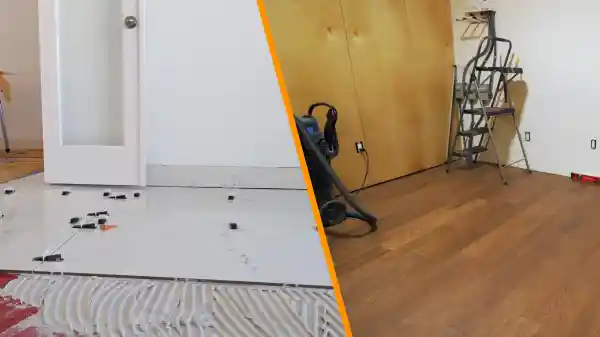
Porcelain Tile vs Engineered Hardwood: 6 Differences [ Revealed]
This comprehensive guide on tile vs engineered hardwood will compare these two flooring options and help you choose the most suitable option. Understanding Engineered Hardwood What is Engineered Hardwood? Engineered hardwood flooring offers the timeless beauty of traditional hardwood while incorporating contemporary construction techniques. Know the pros and cons of porcelain tiles vs.
![Porcelain Tile vs Engineered Hardwood: 6 Differences [ Revealed]](https://everyinside.com/wp-content/uploads/2023/06/Porcelain-Tile-vs-Engineered-Hardwood-Know-the-Differences.webp)
hardwood flooring. Compare the features like style, durability, cost, and maintenance to find the perfect flooring for your living space. The most common sorts can be glazed ceramic tile, porcelain tile, quarry tile, and Indiana limestone pavers.
Porcelain Floor Tile Vs Engineered Hardwood at Bruce Schmidt blog
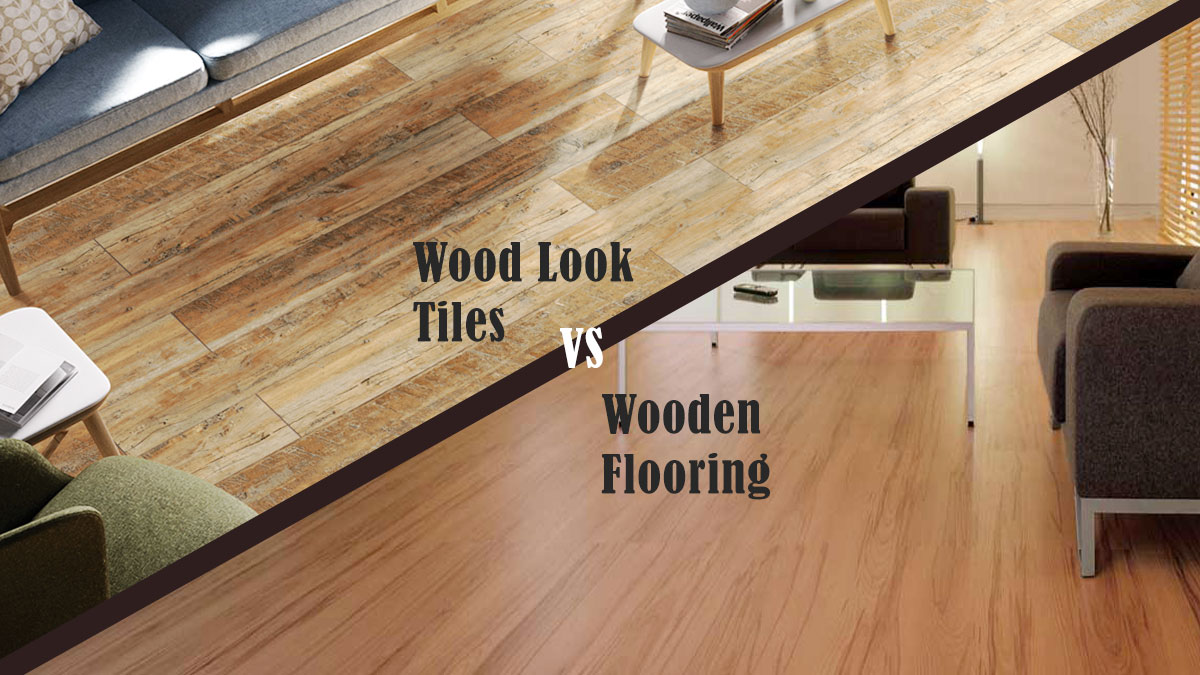
Ceramic and porcelain both are heavy-duty and can cope with heavy traffic pressure. Pearl finished flooring, which deals with porcelain floor tile vs wood flooring, has its advantages and disadvantages. Some common types of tile include.

Difference in durability, lifespan, resistance to wear, properties, installation methods, and cost between ceramic tile and engineered wood flooring. Which flooring is better to buy? Learn everything about hardwood floor vs porcelain wood tile pros and cons. A detailed compariosn of cost, value, durability and more.