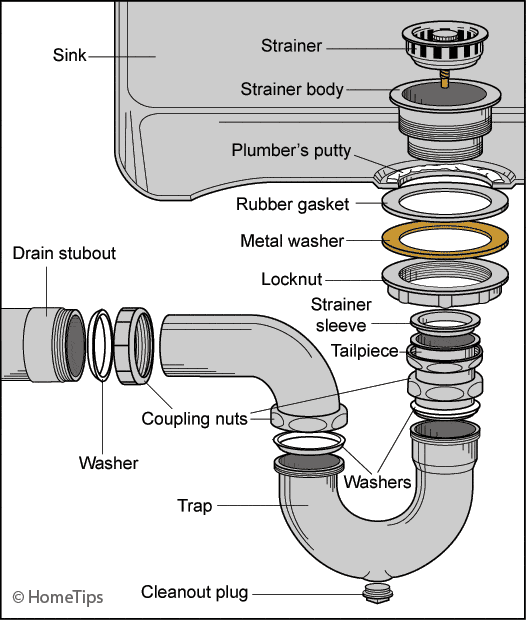
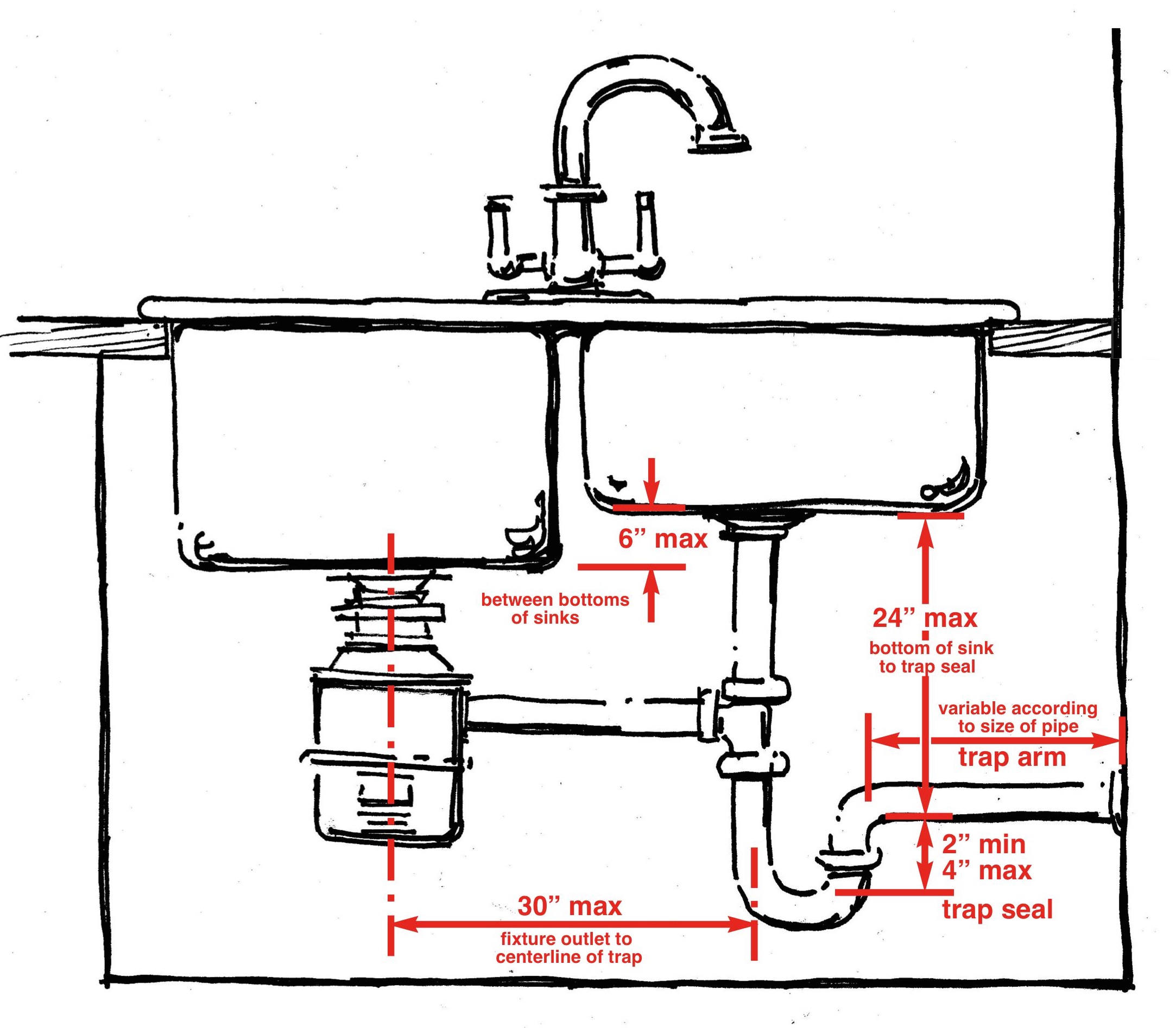
Drain Pipe: The drain pipe is the portion of the plumbing system that carries wastewater away from the bathroom sink and ultimately into the sewer or septic system. It connects to the trap arm. Cleanout Plug: A cleanout plug is a removable cap or plug found on the P.
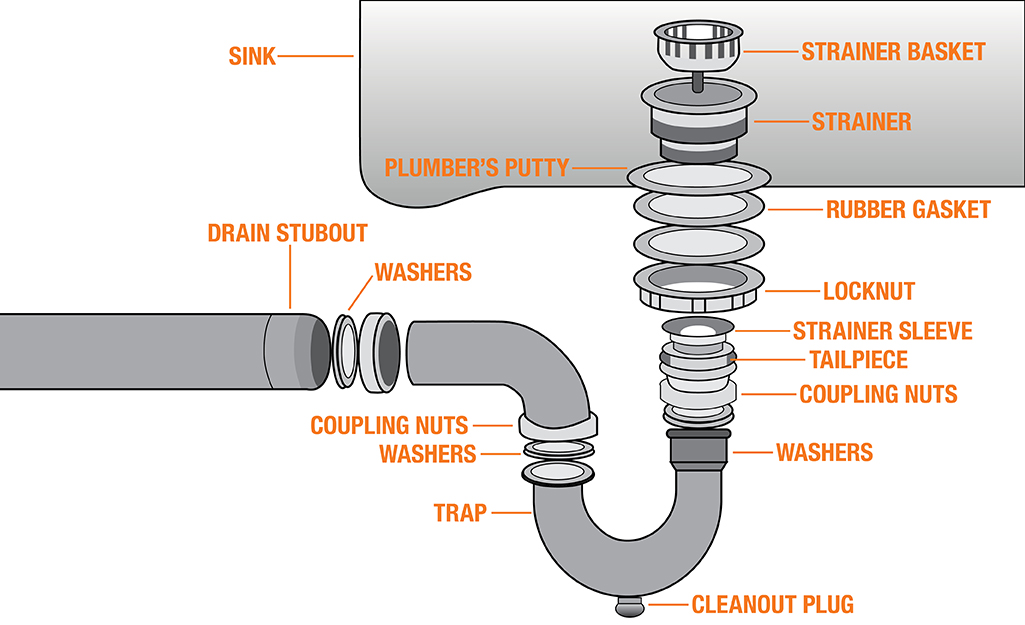
Bathroom sink plumbing is straightforward because it involves only a few key components that are usually accessible inside the sink cabinet. These components are categorized into water supply parts, like supply tubes, and drainage parts, such as tailpieces and P. Drain Pipes The pipes that are located under the sink and used to carry waste water away from the sink are commonly referred to as drain pipes.

Connecting Bathroom Sink To Drain Pipe – Rispa
These pipes play a crucial role in maintaining proper sanitation within a household or commercial establishment. This article explores the various types of drainpipes that are commonly used in bathroom sinks, including PVC, brass, and stainless steel options. It discusses the benefits and drawbacks of each material, as well as tips for selecting the right drainpipe for your needs.
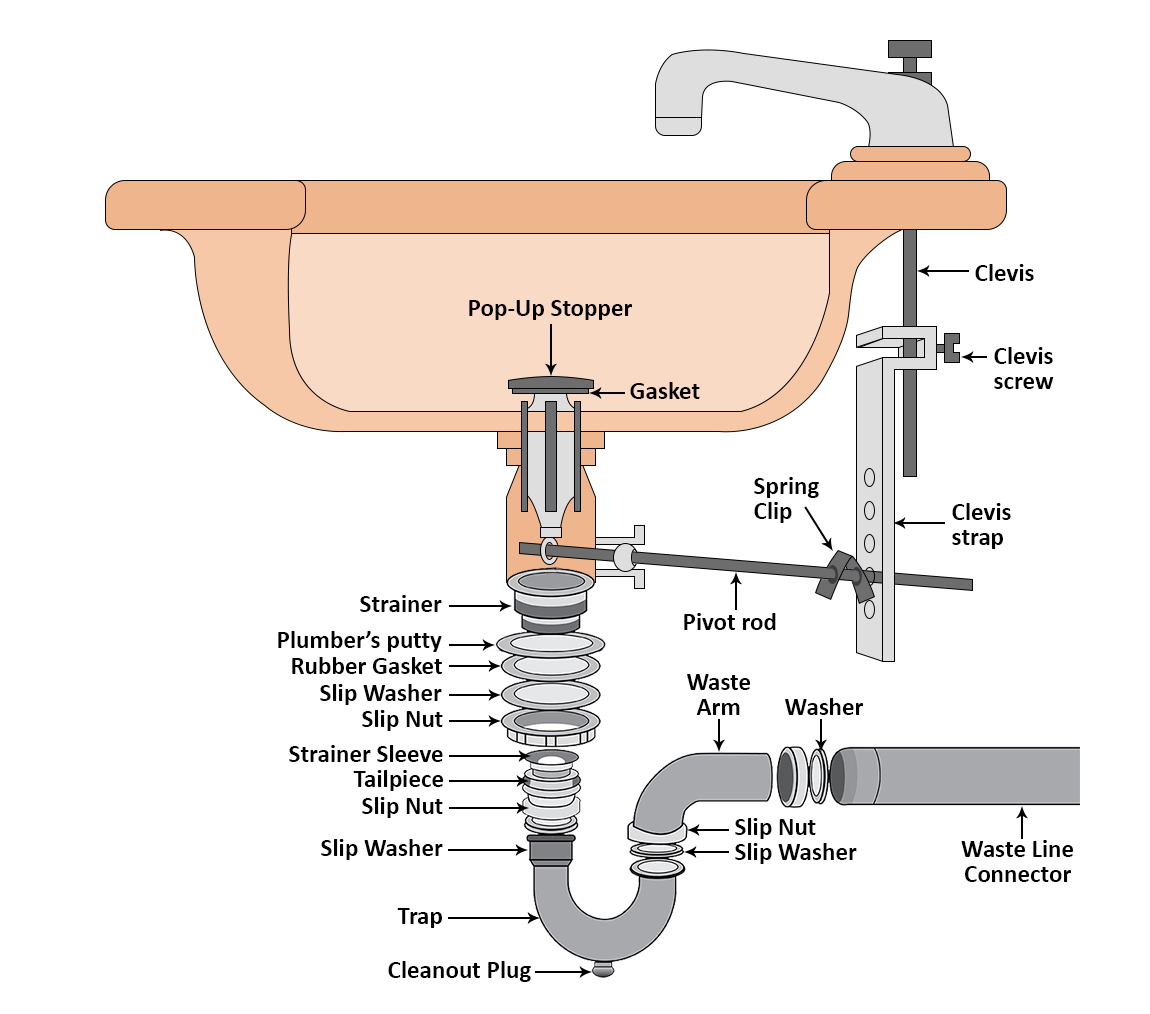
Whether you're remodeling your bathroom or just replacing a worn-out drain, this guide will help you make an informed decision. Learn about the different parts of a bathroom sink drain with a detailed diagram. Understand how the drain system works and troubleshoot common issues for a clogged or leaking sink.
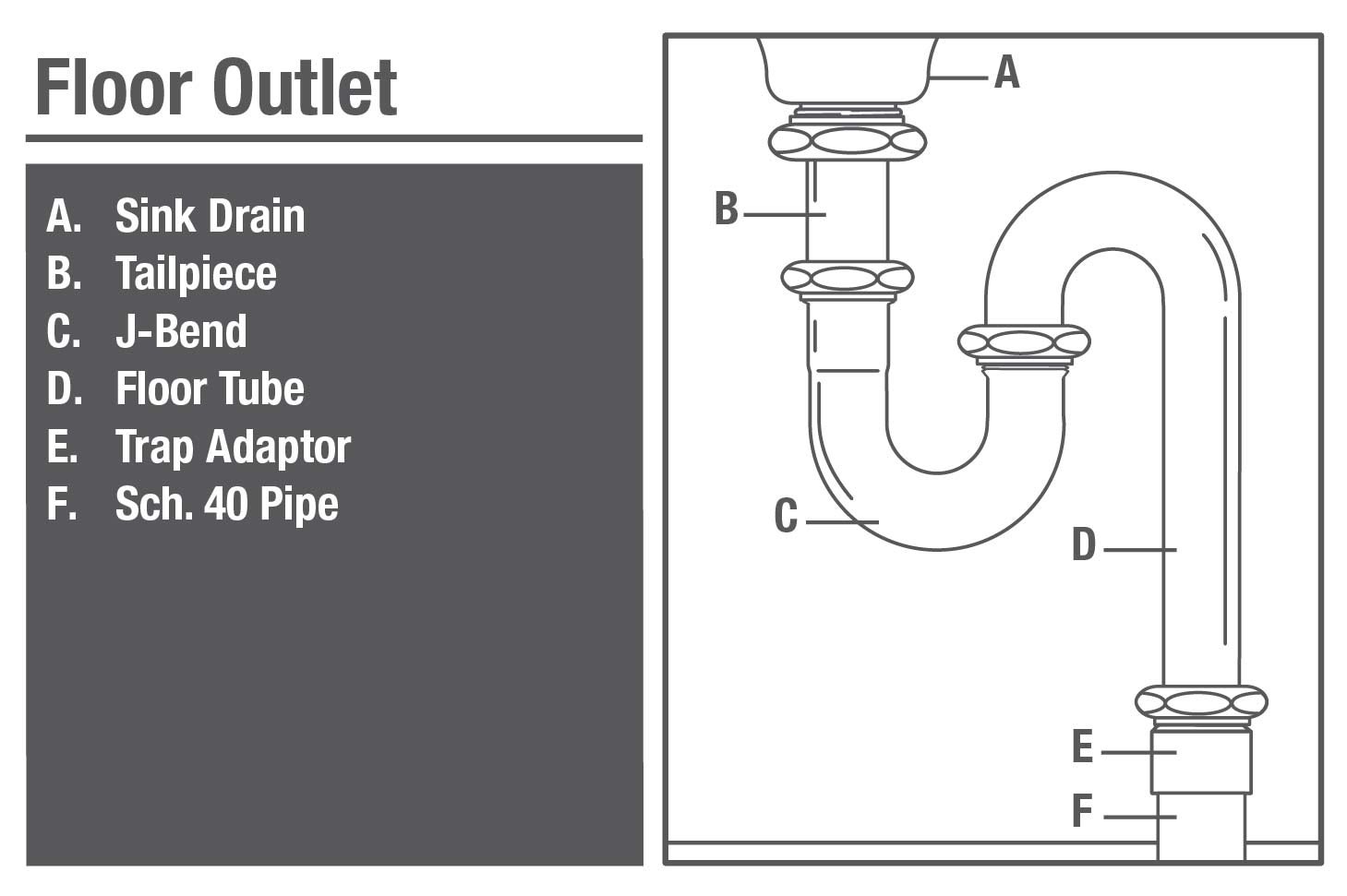
How To Plumb A Bathroom Sink With A Floor Drain at Nell Smith blog
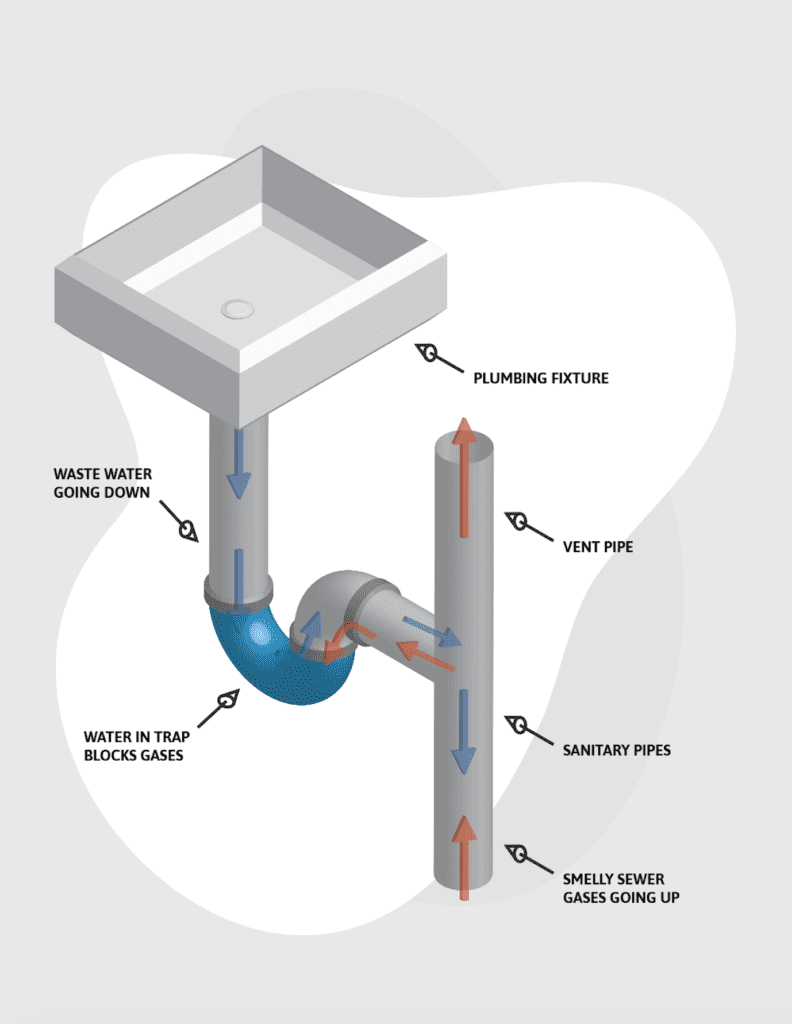
A bathroom sink drain plumbing diagram provides a valuable visual representation of how the components work together to facilitate proper drainage and prevent common issues like clogs and odors. The primary parts of a sink are the faucet, basin, drain, drain stopper, and plumbing. Bathroom sinks have pop.
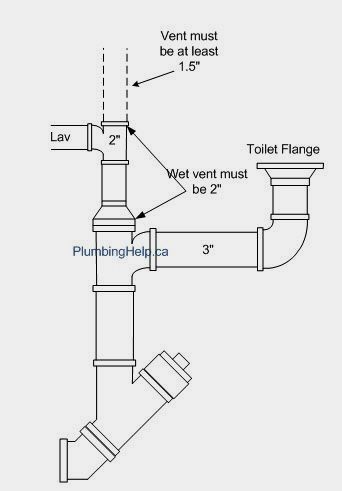
Learn how bathroom sink pipes work with a helpful diagram, including the trap, drain pipe, and vent pipe. Keep your plumbing working smoothly. Bathroom sink drain parts Image: wayfair 1.

Understanding the Anatomy of Your Bathroom Drain Pipe
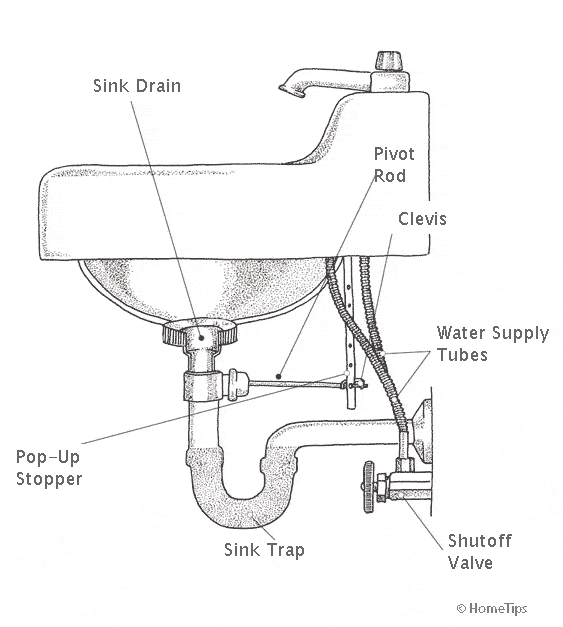
Shut-off valve The shut-off valve is where the water reaches your sink system from the main supply. If you want to stop water flowing into your sink, you can shut it off at this valve before doing any plumbing work on your sink. Water reaches these valves under pressure, and there are normally two valves, one for hot water and one for cold.

The water. Most sinks come with additional holes to drain excess water and prevent the sink from overflowing. These are called the overflow holes and typically connect to the body of the drain stopper that is also equipped with an overflow hole of its own.
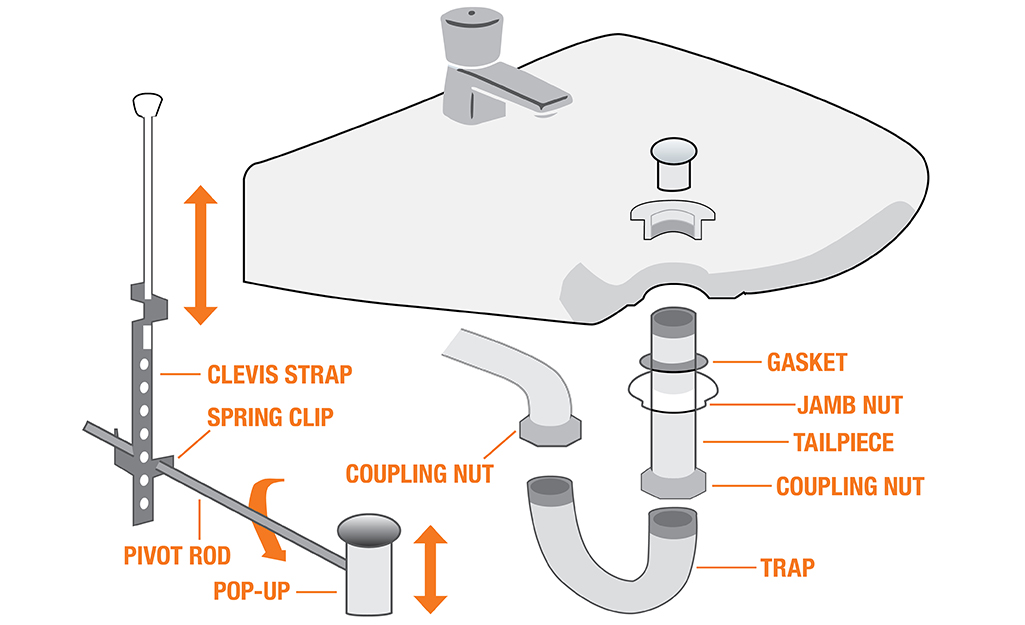
The Pop up drain without overflow hole simply doesn't have this additional feature and is meant to work in conjunction with sinks that do not offer.